
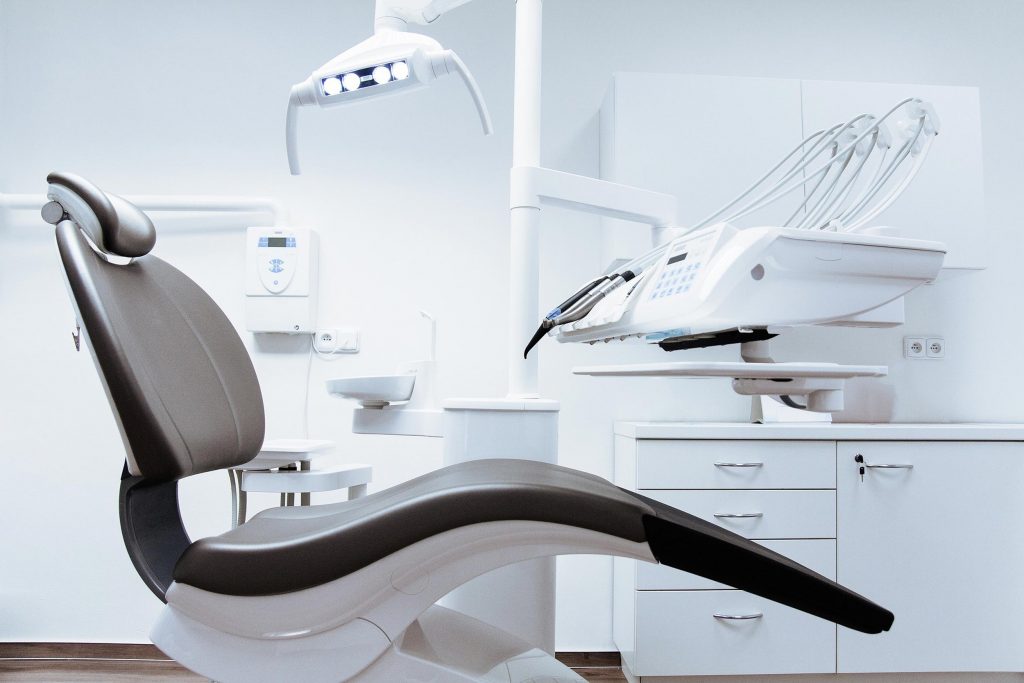
Root Canal Specialist in Plainview, NY
Root canal care for tooth pain, infection, and lingering sensitivity
If you have been told you may need a root canal, or you have tooth pain that is not going away, Plainview Endodontics can help you understand what is happening and whether the tooth can be saved. Dr. Nasim Tishbi is a board-certified endodontist focused on precise diagnosis and root canal treatment.
Focused endodontic care from a board-certified specialist
3D CBCT imaging available when standard X-rays are not enough
PPO insurance verification, financing options, and Sunday appointments available
Pain that lingers
Sensitivity that continues after hot or cold is removed can be a sign that the nerve inside the tooth is inflamed.
Pain when biting
Pressure pain, throbbing, or tenderness around a tooth may point to infection or inflammation near the root.
Swelling or a bump
Swelling, drainage, or a small bump on the gum should be evaluated promptly, even if the pain comes and goes.
Root canal treatment in Plainview for infected or painful teeth
Root canal therapy treats infection or inflammation inside the tooth. The damaged pulp is removed, the canals are cleaned and disinfected, and the tooth is sealed so it can be restored. When the tooth is restorable, root canal treatment can help you avoid extraction and keep your natural bite.
A root canal specialist near Plainview, Syosset, Bethpage, and Hicksville
Plainview Endodontics sees patients from Plainview, Syosset, Bethpage, Hicksville, Woodbury, Old Bethpage, Melville, and nearby Nassau County communities. The office is located at 100 Manetto Hill Road, Suite 206, making it convenient for patients searching for a root canal specialist near Plainview.
Your visit starts with a diagnosis, not a sales pitch
Tooth pain can come from several causes: deep decay, a crack, gum problems, bite trauma, sinus pressure, or an old dental restoration. Dr. Tishbi evaluates your symptoms, tests the tooth, and reviews imaging before recommending treatment. If a root canal is not the right answer, you will be told that clearly.
Comfort is planned into the appointment
The tooth is numbed before treatment begins, and the team explains what to expect before each step. Most root canal appointments feel similar to other dental procedures once the area is numb. Afterward, some soreness is normal while the tooth and surrounding tissues settle.
What happens after the root canal
After endodontic treatment, most back teeth need a final restoration from your general dentist, often a crown, to protect the tooth from fracture. Plainview Endodontics coordinates with your dentist so the next step is clear.
What Happens Next
Request or call
Use the form for scheduling or call if the pain is active and you want the fastest response.
Evaluation and imaging
We review symptoms, test the tooth, and use appropriate imaging to confirm the source of pain.
Treatment plan
You get a clear explanation of whether root canal treatment, monitoring, referral, or another option makes sense.
Before You Book
Built for anxious root canal searches
Many people arrive worried because they have heard old stories about root canals. Modern endodontic care is focused on getting you numb, finding the source of pain, and treating the tooth as conservatively as the case allows.
Common Questions
How do I know if I really need a root canal?
You cannot know for certain from symptoms alone. Lingering sensitivity, biting pain, swelling, and spontaneous tooth pain are warning signs, but testing and imaging are needed to confirm the diagnosis.
How long does root canal treatment take?
Many root canal treatments are completed in one visit, often around 60 to 90 minutes. Complex teeth, retreatment, or infection patterns may require more time or more than one visit.
Will I be able to drive afterward?
Most patients can drive after routine root canal treatment with local anesthesia. If your case requires anything different, the office will tell you before the appointment.
Do I need a crown afterward?
Many molars and premolars need a crown or other final restoration from your general dentist after root canal therapy. That final restoration helps protect the tooth long term.
Do you accept insurance?
The office works with many PPO dental plans and can help verify benefits before your visit. Financing options are also available.
Do not keep guessing about tooth pain
A focused endodontic evaluation can tell you whether the tooth needs root canal treatment and what the next step should be.